|
 |
|
 |
|
 |
 |
|
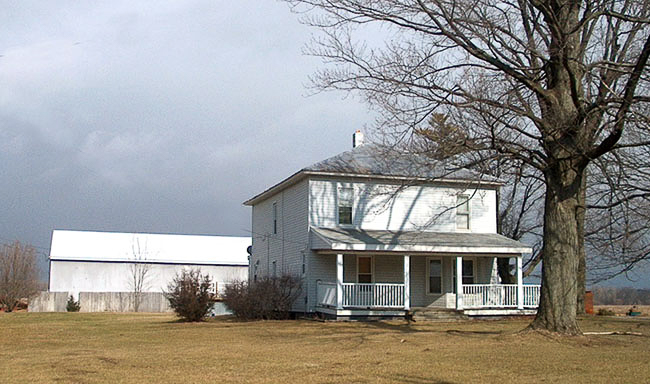
The picture above was of the
house over 50 years after the Heidens occupied it. The pictures
below give a better representation of how the place looked in the
early 1950s. |
|
|
|
 This farm which was owned by
Harold Laskey was the home of
Art and Mildred (Roggerman) Heiden along with
their children
Harold,
Joyce, Ronald and Ralph for about 5 years starting in 1951. Their daughter Kay Lynn
was born in 1954 while the family lived in this house. This farm which was owned by
Harold Laskey was the home of
Art and Mildred (Roggerman) Heiden along with
their children
Harold,
Joyce, Ronald and Ralph for about 5 years starting in 1951. Their daughter Kay Lynn
was born in 1954 while the family lived in this house.
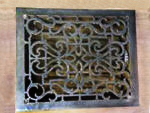 Art milked cows in the barn
and the kids played in the hay mow. He also was employed
full time at Monroe Auto Equipment Company. The old house was heated
by a large wood fired furnace in the basement. A 3 or 4 foot
square grating in the floor in the dining room released heat to the entire
house. Smaller gratings in the floors of the second story allowed
the heat to find its way upstairs...eventually. Art milked cows in the barn
and the kids played in the hay mow. He also was employed
full time at Monroe Auto Equipment Company. The old house was heated
by a large wood fired furnace in the basement. A 3 or 4 foot
square grating in the floor in the dining room released heat to the entire
house. Smaller gratings in the floors of the second story allowed
the heat to find its way upstairs...eventually.
|
|
|
 |
|
 |
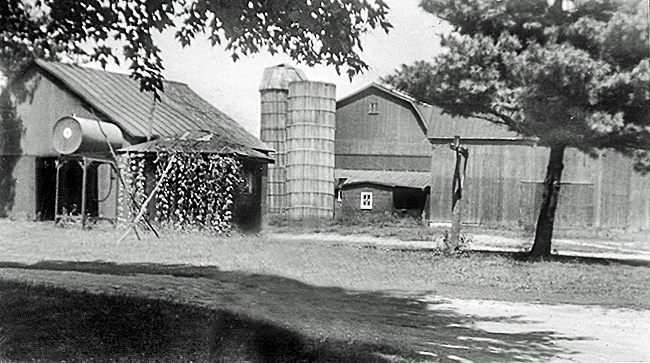
 A
typical farm yard for that era. To the left is a large corn
crib with storage for machinery in the middle of the
building. The two silos are for storing ensilage which is
finely chopped stalks of corn and, along with hay, was used for
much of the
winter feed for the cows. A
typical farm yard for that era. To the left is a large corn
crib with storage for machinery in the middle of the
building. The two silos are for storing ensilage which is
finely chopped stalks of corn and, along with hay, was used for
much of the
winter feed for the cows.
|
|
|
|
 |
|
|
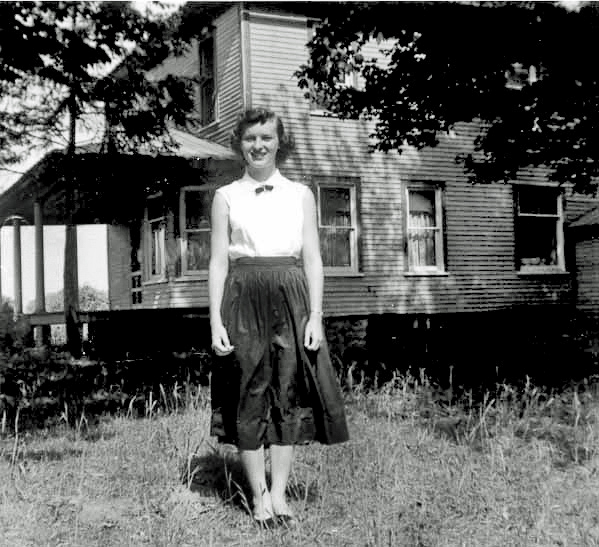
Joyce
Wittman at about 16 (1953 or
54) standing on the east side of the house. As you can see,
lawns were not always neatly clipped in those days.
 I
am proud to say that she went on to be crowned "Miss
Dundee" in her senior year of high school. I
am proud to say that she went on to be crowned "Miss
Dundee" in her senior year of high school.
|
|
|
|
 |
|
 |
|
|
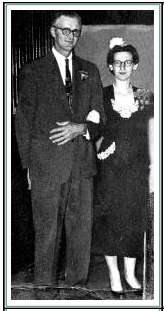
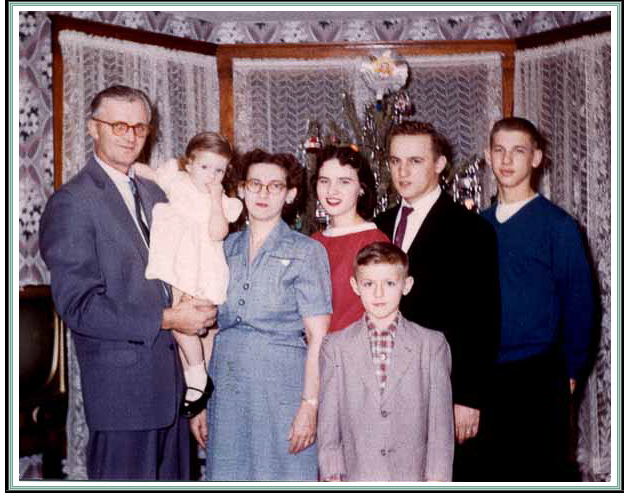
Picture taken in the living room of 12444 Dixon
Road about Christmas 1955. Left to Right: Art (43), Kay (2), Mildred (41),
Joyce
(17),
Harold (21) and Ron (13). In front, Ralph (7).
|
|
|
 |
|
|
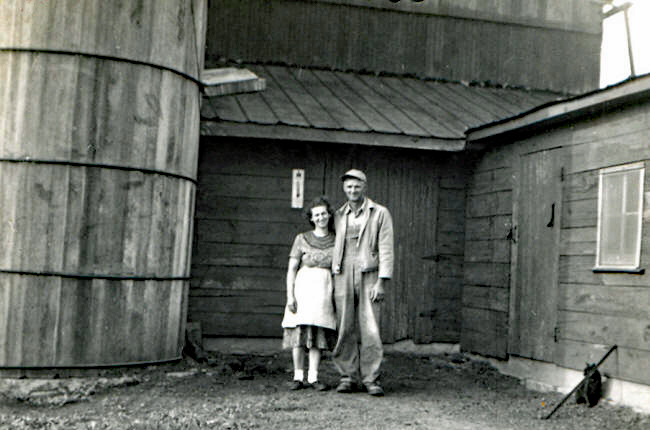
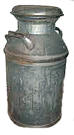 Art and Mil in front of the barn.
The milk house where large metal cans of milk were stored in a
water filled cooler tank is to the right. Periodically a stout,
strong man would come wearing a long, leather apron and hoist
the cans out of the cooler and into a refrigerated truck. Art and Mil in front of the barn.
The milk house where large metal cans of milk were stored in a
water filled cooler tank is to the right. Periodically a stout,
strong man would come wearing a long, leather apron and hoist
the cans out of the cooler and into a refrigerated truck.
|
|
|
 |
|
|
That's
me about 5 years old
(1953) washing off my feet before going into the house. I am
on top of the cistern where rain water from the roof was
collected. The downspouts come together behind me and empty
into a ceramic pipe to the cistern. In the background is an old Plymouth car
probably from the late 1940s.
|
|
|
|
 |
|
|
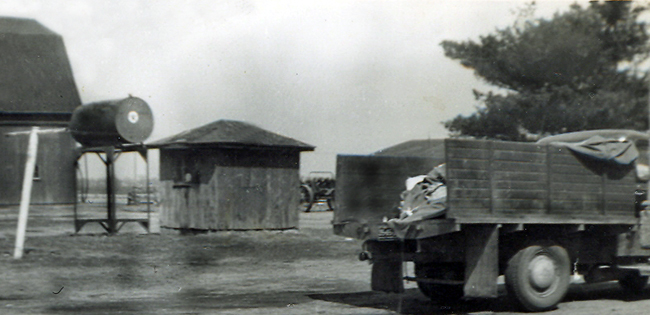
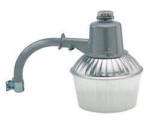 Most
farms had their own gasoline storage tank to
service the tractors and other machinery. It was
not unusual to hear noises in the middle
of the night
sometimes as teenagers might try to fill their
car's tank for free. That is one of the reasons
that large mercury vapor lights that came on at
sundown became so popular on farms. Most
farms had their own gasoline storage tank to
service the tractors and other machinery. It was
not unusual to hear noises in the middle
of the night
sometimes as teenagers might try to fill their
car's tank for free. That is one of the reasons
that large mercury vapor lights that came on at
sundown became so popular on farms.
|
|
|
|
|
|
|
 |