|
|
 |
|
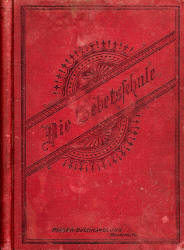 Helma (Heiden) Nickel - Here is a book that the preacher must have given Ma and Pa
on the day they were married. It is all in German and that is all
that I could make of it. That would have been in 1897 when they were
married. It really should be with the Heiden History. Helma (Heiden) Nickel - Here is a book that the preacher must have given Ma and Pa
on the day they were married. It is all in German and that is all
that I could make of it. That would have been in 1897 when they were
married. It really should be with the Heiden History.
 (The inside panel of the book reads:
Die Gebetsschule oder Die Herzen in die Hoehe! Das Gebet im
allgemeinen und das Vaterunser im besonderen erklaert durch
Gedanken, Sinnbilder und Dergleichen.
Sonntagsschulen und der Familie dargeboten. (The inside panel of the book reads:
Die Gebetsschule oder Die Herzen in die Hoehe! Das Gebet im
allgemeinen und das Vaterunser im besonderen erklaert durch
Gedanken, Sinnbilder und Dergleichen.
Sonntagsschulen und der Familie dargeboten.
This translates into:
“The school of prayers or High up the hearts! The prayer in general
and the Lord's prayer especially explained through thoughts and
allegories. Presented to Sunday Schools and to the family.”)
Norma "Jeanie" Heiden - Can you understand German, Ralph?
 Ralph Heiden - A little bit. I have been getting help on translations from
the Prodigy computer network. Let’s start through some of this stuff
that I have accumulated over the years. It was very fortunate that
in about 1971 my mother and I went over to visit Aunt Agnes (William Carl Heiden’s sister-in-law
and wife of John Heiden). I asked, “Do you
have any old papers or anything?” Ralph Heiden - A little bit. I have been getting help on translations from
the Prodigy computer network. Let’s start through some of this stuff
that I have accumulated over the years. It was very fortunate that
in about 1971 my mother and I went over to visit Aunt Agnes (William Carl Heiden’s sister-in-law
and wife of John Heiden). I asked, “Do you
have any old papers or anything?” Well, she went up in the closet and got this old box with these old
documents. It has August Heiden's naturalization papers when he
became a U.S. citizen. There were some
old letters from Germany.
In the early 70's, I sent to the East German government requesting
information and that is where I got a good start on the Heiden’s in
Germany.
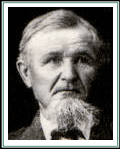 Here is a document where my great-grandfather, August
(right), applied for
U.S. citizenship. He had to renounce all allegiance to the Emperor
of Germany. Here is a document where my great-grandfather, August
(right), applied for
U.S. citizenship. He had to renounce all allegiance to the Emperor
of Germany.
I have maps of the tiny little towns in what was East Germany where
all our ancestors came from. They were sort of like Maybee and Ida
and Grape. Very small little places only a few miles apart. Norma "Jeanie" Heiden - What about High German and Low German?
Ralph Heiden - I don’t know much about it but I think it is just different
ways of speaking the language similar to Irish English versus
British English versus American English.
|
 |
|
 "Low German, also known as Plattdeutsch, is spoken
in the northern, flatlands of Germany, while High German
dialects are found in the southern and central regions,
including the mountainous areas." "Low German, also known as Plattdeutsch, is spoken
in the northern, flatlands of Germany, while High German
dialects are found in the southern and central regions,
including the mountainous areas."
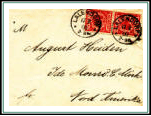
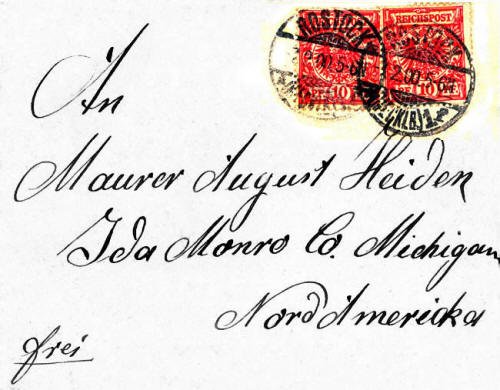
One of the envelopes
from the 1920s letters from Germany is shown below. It seems a
miracle that it was actually delivered to the correct person. |
 |
 Maurer
in German means bricklayer which was the
trade August learned in Germany. Maurer
in German means bricklayer which was the
trade August learned in Germany. |
|
|
 |
|
|
|
|
 |
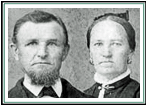 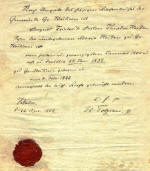 Ralph Heiden
- I
also have some papers here from the German government that gives
August and his family permission to leave Germany. It is for
August and his wife, Rika, and three children,
Heinrich,
Ernst
and a little girl,
Meta. Ralph Heiden
- I
also have some papers here from the German government that gives
August and his family permission to leave Germany. It is for
August and his wife, Rika, and three children,
Heinrich,
Ernst
and a little girl,
Meta.
Helma (Heiden) Nickel - Meta was the
one that died on the ship on the way over.
August and his family arrived about a year
before
William was born on April 1, 1874.
[See note below]
Jeanie &
Wilma (Heiden) Bicking - We always
heard that she died on the boat and was buried
at sea.
Ralph Heiden -
Unfortunately, the ship’s records do not show
that happening. Normally, if someone died on the
ship, that would be noted and there is nothing
on the list to indicate that Meta died on ship.
The ship’s list that I have shows
August Heiden's age 34, a mason.
Norma "Jeanie" Heiden - A
mason? Oh, you mean a bricklayer, not a member
of the Masons.
Ralph Heiden - Yes. It also
lists Rika, 31, his wife, Herman, 6 years old,
male, Ernst, 4 years old, a male, his children,
and Meta, 9 months, his baby.
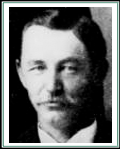 Helma
(Heiden) Nickel - Herman? That should
be Henry. Helma
(Heiden) Nickel - Herman? That should
be Henry.
Ralph Heiden - You’re right,
it is
Heinrich
(right). But there was no mention of anyone
buried at sea.
Wilma (Heiden) Bicking - We
all heard the story that a baby was buried at
sea.
Ralph Heiden - That would
seem logical since there doesn’t appear to be a
record of her here in Michigan. At least not
that I have found so far. |
|
|
|
Later research discovered that Meta made it to America but
died on June 16, 1873 only 12 days after they arrived from
Germany. She was just 2 years and 5 months old at the time
of death and is buried at the Zion Lutheran
Church cemetery in Monroe, Michigan. |
|
|
|
|
|
|
 |
Norma "Jeanie" Heiden - Did
August Heiden have any brothers?
Ralph Heiden - Not from what I could find out. He did have a half-sister,
however.
One of the other things that I got from
Aunt Agnes was a
bunch of
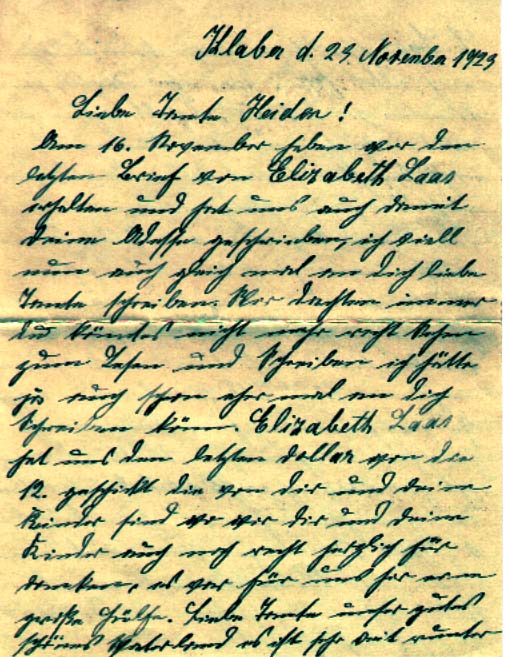
letters from Germany to August and Rika (Knaack) Heiden back in the 1920's.
Most of them were signed from a
Maria Dohmstrich from
Rostock,
Germany. That is only about 30 or 40 miles away from the little
towns where our ancestors lived.
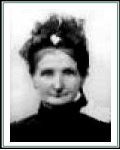 On some of the letters she adds “geb. Schmidt” after her name which
means that her maiden name was Schmidt. Well, it seems that
August’s
half sister (left) married a man named
Schmidt and had a daughter,
Maria. On some of the letters she adds “geb. Schmidt” after her name which
means that her maiden name was Schmidt. Well, it seems that
August’s
half sister (left) married a man named
Schmidt and had a daughter,
Maria. So, the letters are from August’s half-sister’s daughter. His niece.
She was born in 1866 so she would have been in her sixties at the
time the letters were written. My great-grandmother, Rika, must have sent them the occasional five
dollars. That was a huge amount back then because of the inflation
going on in Germany at the time. They really appreciated it.
Wilma (Heiden) Bicking - I didn’t know that
our grandma was a
Knaack.
Jeanie & Helma (Heiden) Nickel - Yes, she was.
Wilma (Heiden) Bicking - So,
Maria Heiden never married
Kanseyer ?
Ralph Heiden - No, and who knows why. From what I’ve read, they were having
a population problem in Germany so they made it very difficult for
people to get married. But, people being what we are, they went
ahead and had children anyway. A very large percentage of the births
during the mid-1800's were out of wedlock.
But they never did get married. When she died in 1874, she was
still listed as Maria Heiden. Wilma (Heiden) Bicking - So, how many children did she have?
Ralph Heiden - Just the two as far as I know. August in 1838 and the
daughter,
Fredericka, in 1832. She was the mother of the one who
wrote the letters.
|
|
|
|
|
|
|
 |
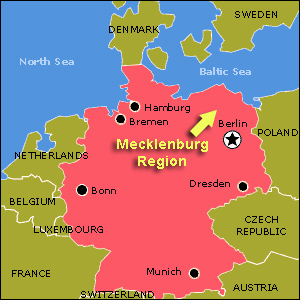 Wilma (Heiden) Bicking - Pa always said they came from
Mecklenburg. Is that a county
or what? When we were in Germany we saw a sign for town called Heidenfahrt! Wilma (Heiden) Bicking - Pa always said they came from
Mecklenburg. Is that a county
or what? When we were in Germany we saw a sign for town called Heidenfahrt!
Ralph Heiden - Mecklenburg is a region of Germany. The Heidens came from
tiny little towns called
Gross Wokern,
Mamerow,
Klaber and a bunch
of others.
Now, where did your grandfather, August, live here in Monroe County? Helma (Heiden) Nickel - August always lived on
South Custer where
Uncle John lived.
That’s the only place they lived as far as I know. The same with the Rambows. [See Note Below]
|
|
|
|
Later research showed that August Heiden and family lived on
West 9th Street in the City of Monroe according to the 1880 U.S. Census. We don't know exactly when the bought the property on South Custer Road. The 1890 census reports were destroyed by a fire.
I also
saw the town of
Heidenfahrt on a map of
Germany. It translates into
Heathen Journey or a
journey to a heath. |
 |
|
|
|
|
|
|
 |
Norma "Jeanie" Heiden - Ma’s grandmother,
Miller
(or Möller), died in Germany before they came
over to America. According to Ma, she was old anyway and did not
know for sure if she wanted to come over here. Of course, that’s the Rambow’s side.
(See below)
Wilma (Heiden) Bicking - August landed in New York? How did they get to Monroe?
[Heidens
to Monroe]
 Norma "Jeanie" Heiden - Normally, they had someone over here sponsor them. Norma "Jeanie" Heiden - Normally, they had someone over here sponsor them.
Wilma (Heiden) Bicking - Did the Rambows come on the same ship?
Helma (Heiden) Nickel - The Rambows and Milhans came over about the same time.
[See note below] Wilma (Heiden) Bicking - It seems that they all came over about the same time because
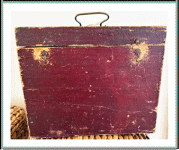
they knew somebody here. I’ve also got the cedar chest (left) that Ma’s mother
(Wilhelmina Rambow) brought over from
Germany. Ma used it as a hope chest.
Ralph Heiden - When I got the ship list originally, back in 1974, I
contacted a lady in Washington D.C. who, for a fee, looked it up in
the National Archives.
Now, there are some books that list all the ship logs for the
mid-1800's that left Germany for the U.S. I contacted a person on
the computer network, Prodigy, and they looked it up for me and
found the same information that appears on the information I had. They also found at least one other Heiden that came over on the ship
but I did not recognize the name. |
|
|
|
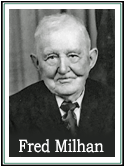 According
to
reports from the Rambow family,
Wilhelmina (Mrs Heinrich) Rambow's
mother,
Marie (Möller) Milhan was planning to
accompany them to America. Unfortunately,
she died just before the family was due to
leave Germany in April, 1874. According
to
reports from the Rambow family,
Wilhelmina (Mrs Heinrich) Rambow's
mother,
Marie (Möller) Milhan was planning to
accompany them to America. Unfortunately,
she died just before the family was due to
leave Germany in April, 1874.
Her three
young children, Fredericka, William and
Chrisopher Milhan came to America and Monroe
County with their older sister, Wilhelmina. An
older brother,
Fred Milhan, had made the journey one
year earlier and they all eventually settled
within about a mile of each other in
Raisinville Township. |
|
|
|
|
|
|
 |
|
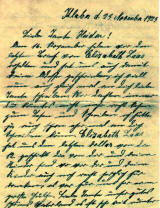 Ralph Heiden - The letters are rather sad overall. They were having some
very tough times in Germany then and they were always asking their
Aunt Rika, my great grandmother, for money. Ralph Heiden - The letters are rather sad overall. They were having some
very tough times in Germany then and they were always asking their
Aunt Rika, my great grandmother, for money.
Mildred (Roggerman) Heiden - In one of them, they ask for some money for a house and
some land. Then, later they say they bought the house but needed
more money for the land.
Marie (Heiden) Tommelein - Did they ever help them?
Ralph Heiden - Yes, they sent money when they could and they were always
very appreciative of it and told what the money would buy.
Brick Tommelein - My dad said that at that time, everyone over in Europe
called America “the land of opportunity.”
Ralph Heiden - A lot of people here were helping their relatives then too.
In one of the letters, they ask Rika to send her letters registered
because people were stealing things from mail from America because
those envelopes were likely to have money in them.
Helen (Henning) Heiden - Now are these letters all from
Mecklenburg?
Ralph Heiden - Yes. They are from the area called Mecklenburg and the port
city of Rostock. The little villages where our ancestors came from
are the size of
Grape and Maybee and they are about 50 miles from
Rostock.
 Helen (Henning) Heiden - From the Hennings, I heard them say that the people were
like slaves back then in Germany. They worked for all these big rich
people. They provided pay for them and took care of them but they
couldn’t get ahead. They didn’t want them to get married because
there were already too many of them to take care of. That is where
the Hennings came from too. Helen (Henning) Heiden - From the Hennings, I heard them say that the people were
like slaves back then in Germany. They worked for all these big rich
people. They provided pay for them and took care of them but they
couldn’t get ahead. They didn’t want them to get married because
there were already too many of them to take care of. That is where
the Hennings came from too.
Mildred (Roggerman) Heiden - Didn’t you say that our name should be something other
than Heiden?
Ralph Heiden - Yes, my great grandmother,
Maria Heiden, did not marry the
father of August. So, he took her name rather than his father’s
which was
Kanseyer
or Canseyer.
Helen (Henning) Heiden - That’s the same way with my grandpa Henning. Grandma wasn’t
married when she had those two kids.
Ralph Heiden - That was a real common occurrence back then.
Mildred (Roggerman) Heiden - They wouldn’t let you get married unless you could support
yourself.
Ralph Heiden - They technically weren’t slaves but there was nowhere else
for them to go except to another big estate to work and they were
full too. Also, the landowner had the responsibility to take care of
the people on his land so he was stuck too.
That is why they pushed a lot of them to leave and go to America.
Also, the illegitimacy rate went way up because even though they
weren’t legally allowed to marry, people continued to form couples
and do what they needed to do.
Helen (Henning) Heiden - You wonder why the Heidens would come here but they said on
the Henning side that they would send money back to Germany to help
others come here.
Ralph Heiden - But with the Heidens, we don’t know who was here to pave the
way for them. Maybe with this Laas connection, there might be
something to go on.
The
Rambows came a year later. They came here in 1874 and I don’t
know if they came from the same part of Germany as the Heidens. I
haven’t looked into that yet. (See the note below)
I think about the only way we are going to learn why the Heidens
came here is if we stumble onto somebody in one of the other
branches that has an old box of papers up in the attic that someone
gave them long ago. Otherwise, the reason may be lost to history.
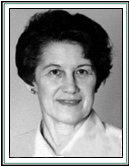 Mary Lou (Heiden) Opfermann - You might get something from
Caroline Brown
(right) too. Helma was
going to check with her. She and her husband, Bill, used to attend
all the old reunions. He used to take movies of the reunions. She is
somehow related to the Laas side. Mary Lou (Heiden) Opfermann - You might get something from
Caroline Brown
(right) too. Helma was
going to check with her. She and her husband, Bill, used to attend
all the old reunions. He used to take movies of the reunions. She is
somehow related to the Laas side.
William Frank Heiden - She was
Uncle John Laas’ daughter.
Marie (Heiden) Tommelein - She came to our place in Florida one time looking for
Helma’s address.
Ralph Heiden - Perhaps she would have the old films laying around
someplace. We could put them on videotape.
Marie (Heiden) Tommelein - I don’t remember him taking movies.
Mary Lou (Heiden) Opfermann - Oh, yes. Don’t you remember everybody trying to duck out
of the way all the time?
Helen (Henning) Heiden - You know,
Aunt
Agnes probably had some old papers.
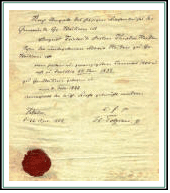 Ralph Heiden - Yes, that is where I got a lot of these old documents. They
had the names of the old villages in Germany where August and his
wife and three of their children were born. There was also a
document that I think is August’s
discharge paper from the army. He
served from 1859 to 1861. Ralph Heiden - Yes, that is where I got a lot of these old documents. They
had the names of the old villages in Germany where August and his
wife and three of their children were born. There was also a
document that I think is August’s
discharge paper from the army. He
served from 1859 to 1861.
Mildred (Roggerman) Heiden - His
naturalization papers were there too.
Ralph Heiden - Yes, the papers
where he applied for citizenship and then was granted U.S.
citizenship.
|
|
Further
research by
Karen (Berns) Wheaton
and myself found that the Rambows and Heidens lived
in the same little village of
Gross Wokern, Germany. Caroline Brown's maiden
name was Laas. |
|
|
|
| |
 |
|
 |
 Over
the years, we have also received written memories and
remembrances about this person or topic from various family
members. Over
the years, we have also received written memories and
remembrances about this person or topic from various family
members. |
|
 |
 |
|
| |
|
| |
|
| |
|
|
|
|
|
|




















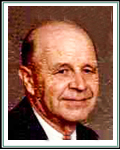
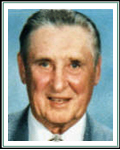
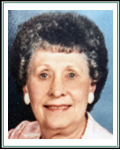
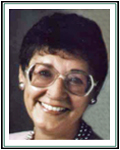
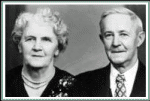 Wilma, Jeanie, Wm Frank, Helma & Marie were
children of
Wilma, Jeanie, Wm Frank, Helma & Marie were
children of